
10,000 Steps a Day for a Month: A Love Letter to Your Future Self (and Your Calves)
Dear You (yes, you, with the phone in your hand and the best intentions in your heart), If you do 10,000 steps a day for a month, a few things will happen.

Dear You (yes, you, with the phone in your hand and the best intentions in your heart),
If you do 10,000 steps a day for a month, a few things will happen. Some will be wholesome and life-enhancing. Some will be, eish. But mostly, it’s one of the simplest ways to upgrade your health without turning into that person who weighs almonds.
First, let’s address the myth: 10,000 isn’t a magical number handed down from the Fitness Ancestors. It’s just a convenient target that gets people moving. And moving more is the actual win. What research does show, though, is that health benefits can start well below 10,000, like around 4,400 steps a day in older adults, then keep improving before levelling off somewhere around 7,500 steps a day (again, in that older population).
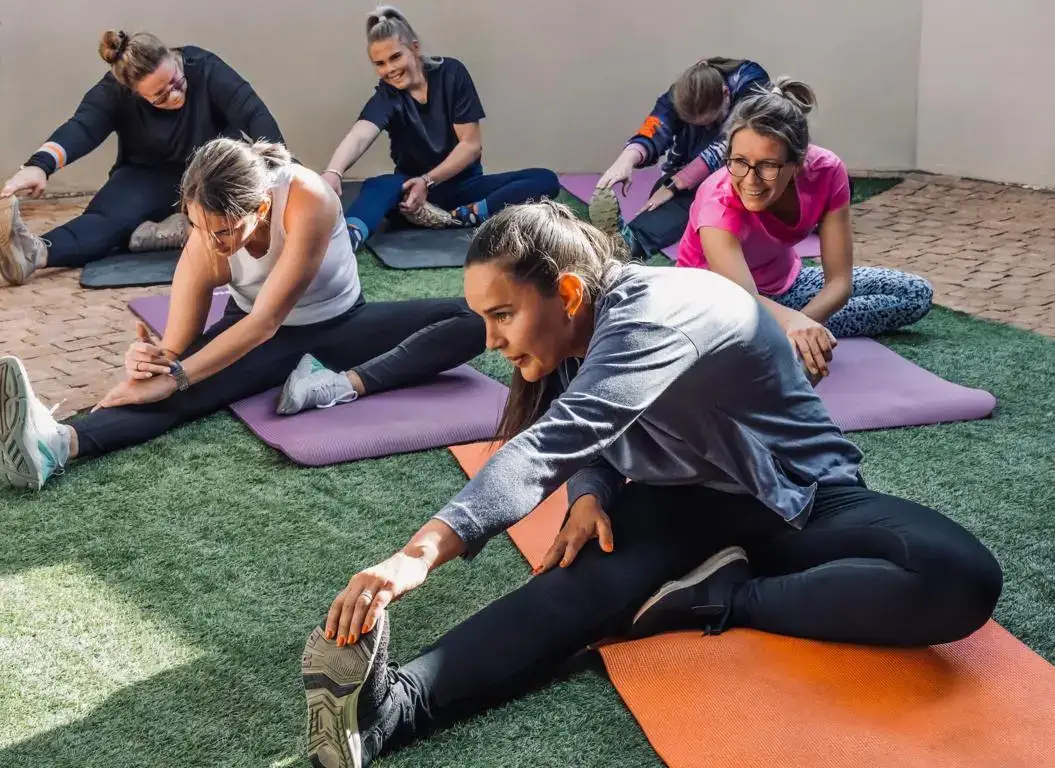
Week one, you’ll likely feel it in your calves and shins. You’ll do that dramatic little hobble down the stairs and claim it’s “tightness”, not regret. If you were sitting most of the day before, jumping straight to 10,000 can be a big shock, so your body might complain like a taxi driver in peak-hour traffic. Good shoes help. A gradual build helps even more.
By week two, you start noticing the sneaky benefits: your mood lifts, your brain feels less foggy, and you’re less likely to snap at someone because they’re walking slowly in Woolies. Walking is low-stress movement, and when it’s consistent, it becomes this daily “reset” button, no incense required.
Week three is where your stamina quietly improves. You recover faster between errands. You’re less out of breath doing normal-life things. Your sleep often improves too, because consistent activity nudges your body clock in the right direction. And if your eating stays fairly stable, you might see fat loss, especially if you’re going from “almost no movement” to “daily movement”. But if your steps make you ravenous and you reward yourself with a muffin the size of a rugby ball, the scale may not budge much. That’s not failure: that’s just maths.
Here’s the bigger picture: most health guidelines don’t actually say “walk 10,000 steps”. They say adults should aim for about 150 minutes of moderate activity per week (think brisk walking), and add muscle-strengthening work a couple of times a week. Translation: steps are brilliant, but strength training is the glue that keeps your joints happy and your body strong.

This is the part where people often end up Googling “personal trainers near me”, not because walking is useless, but because they want results that show: better shape, stronger body, fewer aches, and a plan that makes sense for their life. A good trainer helps you add strength work without injury, keeps you accountable, and stops you from doing chaos workouts that look cool on Instagram but feel horrible on your lower back.
After a full month, the best result isn’t even physical; it’s psychological. You trust yourself more. You’ve built a streak. And that’s powerful. Keep the walking, add a bit of strength, and you’ll be shocked how quickly things change.
If you’re reading this and thinking, “Cool, but I want structure”, that’s your sign. Either build a simple weekly routine, or type “personal trainers near me” and let someone help you do it properly, safely, and consistently.
https://www.cdc.gov/physical-activity-basics/guidelines/adults.html
With love,
Your slightly fitter, less-stressed future self.
Click here
More from the BodyBack blog
Personal Trainer Near Me: 7 Signs Inflammation May Be Slowing You Down
Personal trainer near me? Discover 7 everyday signs inflammation may be slowing you down, and how consistent movement with BodyBack can help
Will Protein Powder Make Women Bulky? The Truth (and What Actually Happens)
Will protein powder make women bulky? Here’s what actually causes “bulking,” the hormone myth, why protein matters for women, and safe usage.

Why Most Diets Fail (And What Actually Works)
Most diets fail because they rely on extremes. Learn what actually works for sustainable weight loss, strength training, and long-term results with a personal trainer near you.