
Boosting Sports Performance with At-Home Biokineticist Programs
Key Takeaways: For athletes looking to increase strength, agility, and endurance, working with a biokineticist is a game-changer. Biokinetics is the scienc
Key Takeaways:
- Biokinetics focuses on movement correction, strength, and injury prevention, helping athletes perform at their peak.
- At-home biokineticist programs provide personalized training without the need for a gym.
- Mobility, stability, and strength training are essential for long-term performance improvement.
- BodyBack offers customized biokinetics plans tailored to individual sports and fitness goals.
- Consistency in biokinetics training enhances endurance, power, and recovery.
For athletes looking to increase strength, agility, and endurance, working with a biokineticist is a game-changer. Biokinetics is the science of movement, helping athletes correct imbalances, prevent injuries, and optimize performance. With BodyBack's at-home biokinetics programs, training becomes more accessible, effective, and customized to meet individual needs.
Why Biokinetics is Essential for Sports Performance
Athletes push their bodies to the limit, often leading to muscle imbalances, reduced flexibility, and injury risks. Biokinetics ensures that movement patterns are efficient, safe, and powerful, helping athletes train smarter.
Key Benefits of Biokinetics for Athletes:
- Injury Prevention: Strengthens weak areas and improves joint stability.
- Improved Recovery: Accelerates healing from previous injuries.
- Increased Strength and Endurance: Focuses on functional strength tailored to sports performance.
- Optimized Movement Efficiency: Enhances running mechanics, agility, and explosive power.
How At-Home Biokinetics Programs Work
With BodyBack, athletes receive customized biokinetics training plans designed for home workouts. These programs focus on corrective exercises, mobility training, and strength-building routines that require minimal equipment.
Advantages of At-Home Biokinetics Training:
- Convenience: Train at home without the need for a gym.
- Personalized Approach: Programs are tailored to specific sports and individual weaknesses.
- Flexible Scheduling: Workouts fit into busy training schedules.
- Continuous Support: Virtual guidance ensures proper technique and progression.
Building a Strong Foundation: Essential Biokinetics Exercises
A structured biokinetics training plan focuses on mobility, stability, and strength, ensuring that athletes develop a solid movement foundation.
1. Mobility and Flexibility Training
Optimal mobility prevents stiffness and enhances movement range, crucial for agility and injury prevention.
Key Mobility Drills:
- Hip Openers: Improves hip flexibility for better stride length.
- Shoulder Mobility Drills: Enhances overhead movements and reduces stiffness.
- Dynamic Stretching: Warms up muscles before high-intensity training.
- Foam Rolling: Releases muscle tightness and enhances blood flow.
2. Stability and Core Strength Work
Core stability is essential for power generation, balance, and injury resistance.
Core and Stability Exercises:
- Planks and Side Planks: Strengthens deep core muscles.
- Single-Leg Balance Drills: Enhances ankle and knee stability.
- Pallof Presses: Engages the core to resist unwanted movement.
- Glute Activation Exercises: Prevents lower back strain and enhances sprinting power.
3. Functional Strength Training
Strength training in biokinetics focuses on movements rather than isolated muscles, making it more relevant to sports performance.
Sports-Specific Strength Exercises:
- Squats and Lunges: Build lower-body power for sprinting and jumping.
- Deadlifts: Improve posterior chain strength for explosive movements.
- Resistance Band Work: Adds controlled resistance to enhance joint stability.
- Plyometric Training: Boosts speed and agility for fast-paced sports.
Correcting Movement Patterns for Peak Performance
Many athletes develop compensatory movement patterns that lead to inefficiency and potential injuries. A BodyBack biokineticist identifies and corrects these faulty movements, ensuring that athletes move in the most effective and safe way possible.
How Movement Correction Works:
- Posture Analysis: Identifies weaknesses that impact performance.
- Gait Training: Improves running mechanics for better endurance.
- Neuromuscular Training: Enhances mind-muscle connection for better control.
- Sports-Specific Adjustments: Focuses on optimizing form for different athletic disciplines.
Injury Prevention and Rehabilitation
Injury prevention is a key focus of biokinetics, ensuring that athletes stay in peak condition throughout their seasons.
Essential Prehab and Rehab Strategies:
- Joint Stabilization Exercises: Strengthen weak areas prone to injury.
- Controlled Eccentric Movements: Reduce impact stress on muscles and joints.
- Soft Tissue Release Techniques: Reduce tension in overused muscles.
- Recovery Protocols: Ice baths, stretching, and active recovery techniques.
How BodyBack Customizes Biokinetics Programs
Every athlete is different, and BodyBack creates tailored at-home biokinetics plans that address specific needs, weaknesses, and performance goals.
What’s Included in a Personalized Biokinetics Plan?
- Initial Movement Assessment: Identifies areas for improvement.
- Custom Exercise Routines: Designed to fit an athlete’s sport and schedule.
- Virtual Coaching and Feedback: Ensures proper form and technique.
- Progress Tracking: Measures improvements in mobility, strength, and endurance.
The Long-Term Impact of Biokinetics on Sports Performance
Biokinetics is not just a short-term fix. It’s a long-term strategy for enhancing performance, preventing injuries, and ensuring longevity in sports. With BodyBack's expert biokineticists, athletes receive personalized, science-based programs that keep them strong, mobile, and ready to perform at their best.
More from the BodyBack blog

10,000 Steps a Day for a Month: A Love Letter to Your Future Self (and Your Calves)
Dear You (yes, you, with the phone in your hand and the best intentions in your heart), If you do 10,000 steps a day for a month, a few things will happen.
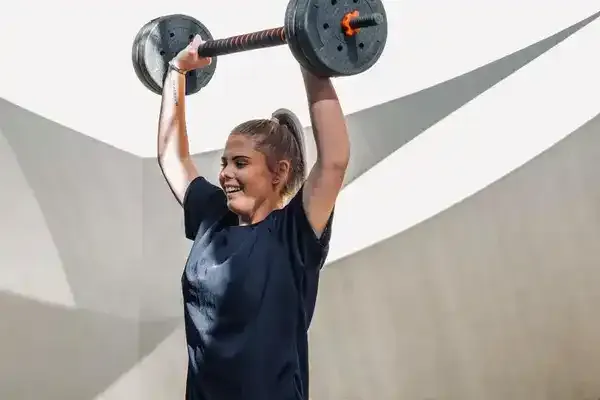
How Having a Personal Trainer Improves Your Mental Health, Not Just Your Body
Discover how a personal trainer near me can lift your mood, boost confidence and bring both body and mind back into balance with BodyBack.
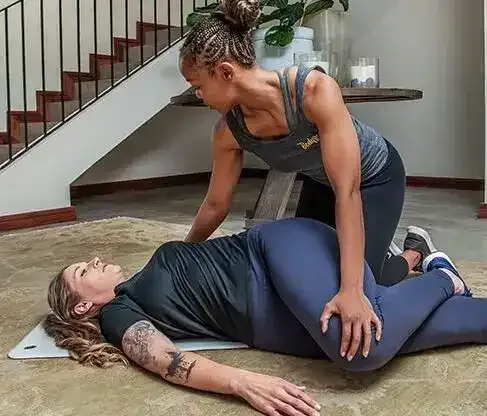
Mobile biokineticists tailored to your needs: personalised programmes for you
Looking for a biokineticist or personal trainer near me? We bring personalised rehab and fitness programmes to your home or office