
What’s The Difference Between A Biokineticist And A Physiotherapist
Ever wondered, what’s the difference between biokinetics and physiotherapy? Biokineticist Mark Digby helps break it down. When a patient sustains an injur

What’s The Difference Between A Biokineticist And A Physiotherapist
Ever wondered, what’s the difference between biokinetics and physiotherapy? Biokineticist Mark Digby helps break it down.
When a patient sustains an injury, a physiotherapist will assess and treat the injury. A biokineticist’s primary function is to improve physical functioning and health care through exercise.
Johannesburg-based biokineticist Mark Digby says, “Whereas physiotherapists deal with the acute pain to help relieve pain and swelling, biokinetics is the profession concerned with preventive health care, the maintenance of physical abilities and final phase rehabilitation, by means of scientifically-based physical activity programmes,” says Mark. A biokineticist will improve the client’s physical well-being and quality of life, lower their risk of developing chronic diseases, improve sport and athletic performance, and assist with recovery after injury, surgery or illness.
Biokineticists help to deal with:
- Chronic diseases like heart disease, hypertension, arthritis and diabetes
- Orthopedic conditions that prevent optimizing quality of life
- Recovery from surgery
- Recovery from injuries that hamper optimal functioning
- Recurring sport injuries
- Exercises as part of weight management programmes
- General physical ability through exercise
Have you wondered, is there a biokineticist near me? There sure is! BodyBack will help find a biokineticist in your area, to help you achieve optimal health and wellness.
BACK TO PRO TIPS
More from the BodyBack blog

10,000 Steps a Day for a Month: A Love Letter to Your Future Self (and Your Calves)
Dear You (yes, you, with the phone in your hand and the best intentions in your heart), If you do 10,000 steps a day for a month, a few things will happen.
How Having a Personal Trainer Improves Your Mental Health, Not Just Your Body
Discover how a personal trainer near me can lift your mood, boost confidence and bring both body and mind back into balance with BodyBack.
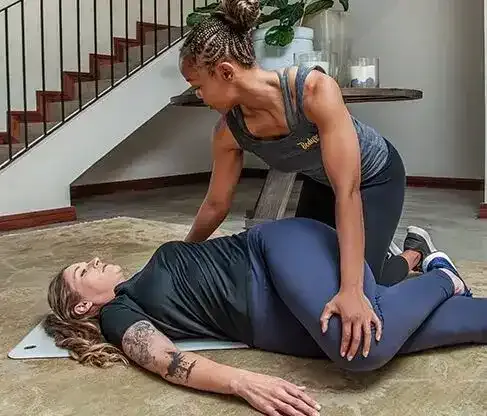
Mobile biokineticists tailored to your needs: personalised programmes for you
Looking for a biokineticist or personal trainer near me? We bring personalised rehab and fitness programmes to your home or office